线程停止
stop方法
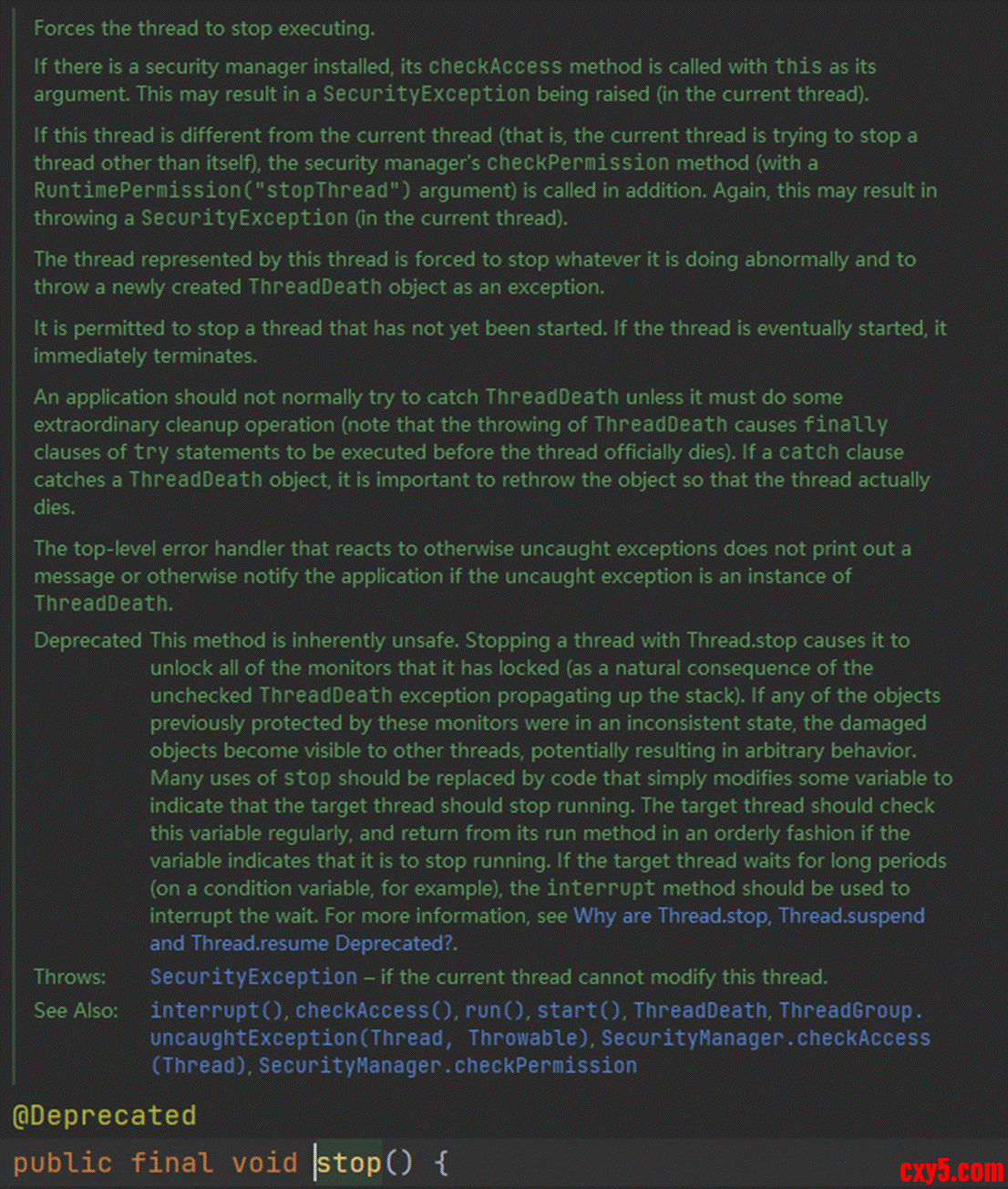
stop 方法虽然可以停止线程,但它已经是不建议使用的废弃方法了,这一点可以通过 Thread 类中的源码发现,stop 源码如下:
stop 方法是被 @Deprecated 修饰的不建议使用的过期方法,并且在注释的第一句话就说明了 stop 方法为非安全的方法。
原因在于它在终止一个线程时会强制中断线程的执行,不管run方法是否执行完了,并且还会释放这个线程所持有的所有的锁对象。这一现象会被其它因为请求锁而阻塞的线程看到,使他们继续向下执行。这就会造成数据的不一致。
比如银行转账,从A账户向B账户转账500元,这一过程分为三步,第一步是从A账户中减去500元,假如到这时线程就被stop了,那么这个线程就会释放它所取得锁,然后其他的线程继续执行,这样A账户就莫名其妙的少了500元而B账户也没有收到钱。这就是stop方法的不安全性。
设置标志位
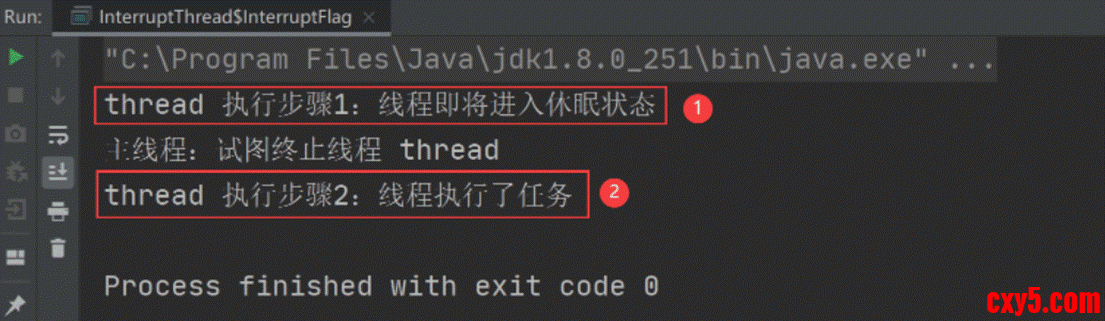
如果线程的run方法中执行的是一个重复执行的循环,可以提供一个标记来控制循环是否继续- class FlagThread extends Thread {
- // 自定义中断标识符
- public volatile boolean isInterrupt = false;
- @Override
- public void run() {
- // 如果为 true -> 中断执行
- while (!isInterrupt) {
- // 业务逻辑处理
- }
- }
- }
- class InterruptFlag {
- // 自定义的中断标识符
- private static volatile boolean isInterrupt = false;
- public static void main(String[] args) throws InterruptedException {
- // 创建可中断的线程实例
- Thread thread = new Thread(() -> {
- while (!isInterrupt) { // 如果 isInterrupt=true 则停止线程
- System.out.println("thread 执行步骤1:线程即将进入休眠状态");
- try {
- // 休眠 1s
- Thread.sleep(1000);
- } catch (InterruptedException e) {
- e.printStackTrace();
- }
- System.out.println("thread 执行步骤2:线程执行了任务");
- }
- });
- thread.start(); // 启动线程
- // 休眠 100ms,等待 thread 线程运行起来
- Thread.sleep(100);
- System.out.println("主线程:试图终止线程 thread");
- // 修改中断标识符,中断线程
- isInterrupt = true;
- }
- }
interrupted中断
这种方式需要在while循环中判断使用
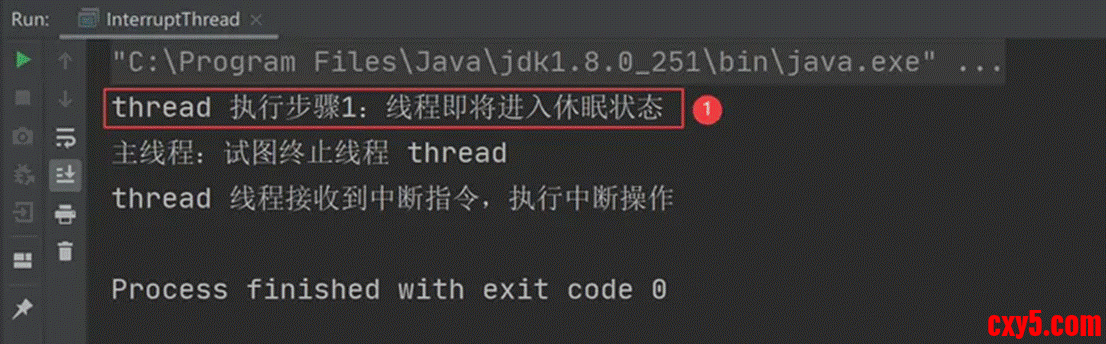
使用 interrupt 方法可以给执行任务的线程,发送一个中断线程的指令,它并不直接中断线程,而是发送一个中断线程的信号,把是否正在中断线程的主动权交给代码编写者。相比于自定义中断标识符而然,它能更及时的接收到中断指令,如下代码所示:- public static void main(String[] args) throws InterruptedException {
- // 创建可中断的线程实例
- Thread thread = new Thread(() -> {
- while (!Thread.currentThread().isInterrupted()) {
- System.out.println("thread 执行步骤1:线程即将进入休眠状态");
- try {
- // 休眠 1s
- Thread.sleep(1000);
- } catch (InterruptedException e) {
- System.out.println("thread 线程接收到中断指令,执行中断操作");
- // 中断当前线程的任务执行
- break;
- }
- System.out.println("thread 执行步骤2:线程执行了任务");
- }
- });
- thread.start(); // 启动线程
- // 休眠 100ms,等待 thread 线程运行起来
- Thread.sleep(100);
- System.out.println("主线程:试图终止线程 thread");
- // 修改中断标识符,中断线程
- thread.interrupt();
- }
从上述结果可以看出,线程在接收到中断指令之后,立即中断了线程,相比于上一种自定义中断标识符的方法来说,它能更及时的响应中断线程指令。
利用interruptedException
这种方式 不 需要在while循环中判断使用
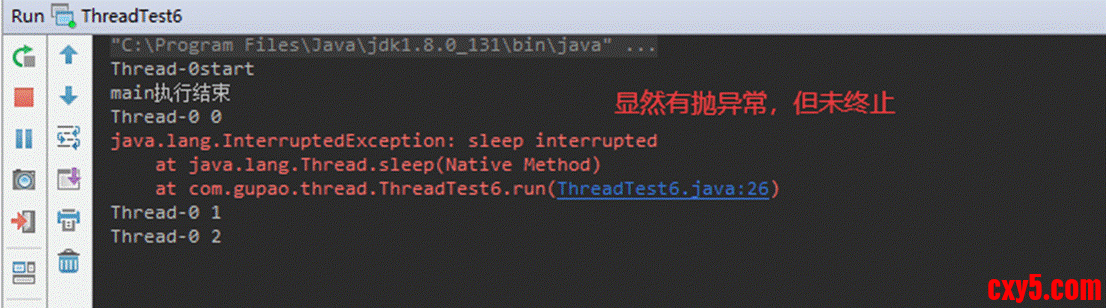
如果线程因为执行join(),sleep或者wait()而进入阻塞状态,此时想要停止它,可以调用interrupt(),程序会抛出interruptedException异常。可以利用这个异常终止线程- public void run() {
- System.out.println(this.getName() + "start");
- int i=0;
- //while (!Thread.interrupted()){
- while (!Thread.currentThread().isInterrupted()){
- try {
- Thread.sleep(10000);
- } catch (InterruptedException e) {
- //e.printStackTrace();
- System.out.println("中断线程");
- break;//通过识别到异常来中断
- }
- System.out.println(this.getName() + " "+ i);
- i++;
- }
- System.out.println(this.getName() + "end");
- }
Executor 的中断操作
调用 Executor 的 shutdown() 方法会等待线程都执行完毕之后再关闭,但是如果调用的是 shutdownNow() 方法,则相当于调用每个线程的 interrupt() 方法。
以下使用 Lambda 创建线程,相当于创建了一个匿名内部线程。- public static void main(String[] args) {
- ExecutorService executorService = Executors.newCachedThreadPool();
- executorService.execute(() -> {
- try {
- Thread.sleep(2000);
- System.out.println("Thread run");
- } catch (InterruptedException e) {
- e.printStackTrace();
- }
- });
- executorService.shutdownNow();
- System.out.println("Main run");
- }
- Main run
- java.lang.InterruptedException: sleep interrupted
- at java.lang.Thread.sleep(Native Method)
- at ExecutorInterruptExample.lambda$main$0(ExecutorInterruptExample.java:9)
- at ExecutorInterruptExample$$Lambda$1/1160460865.run(Unknown Source)
- at java.util.concurrent.ThreadPoolExecutor.runWorker(ThreadPoolExecutor.java:1142)
- at java.util.concurrent.ThreadPoolExecutor$Worker.run(ThreadPoolExecutor.java:617)
- at java.lang.Thread.run(Thread.java:745)
- Future<?> future = executorService.submit(() -> {
- // ..
- });
- future.cancel(true);
当多个线程可以一起工作去解决某个问题时,如果某些部分必须在其它部分之前完成,那么就需要对线程进行协调。
join()
案例
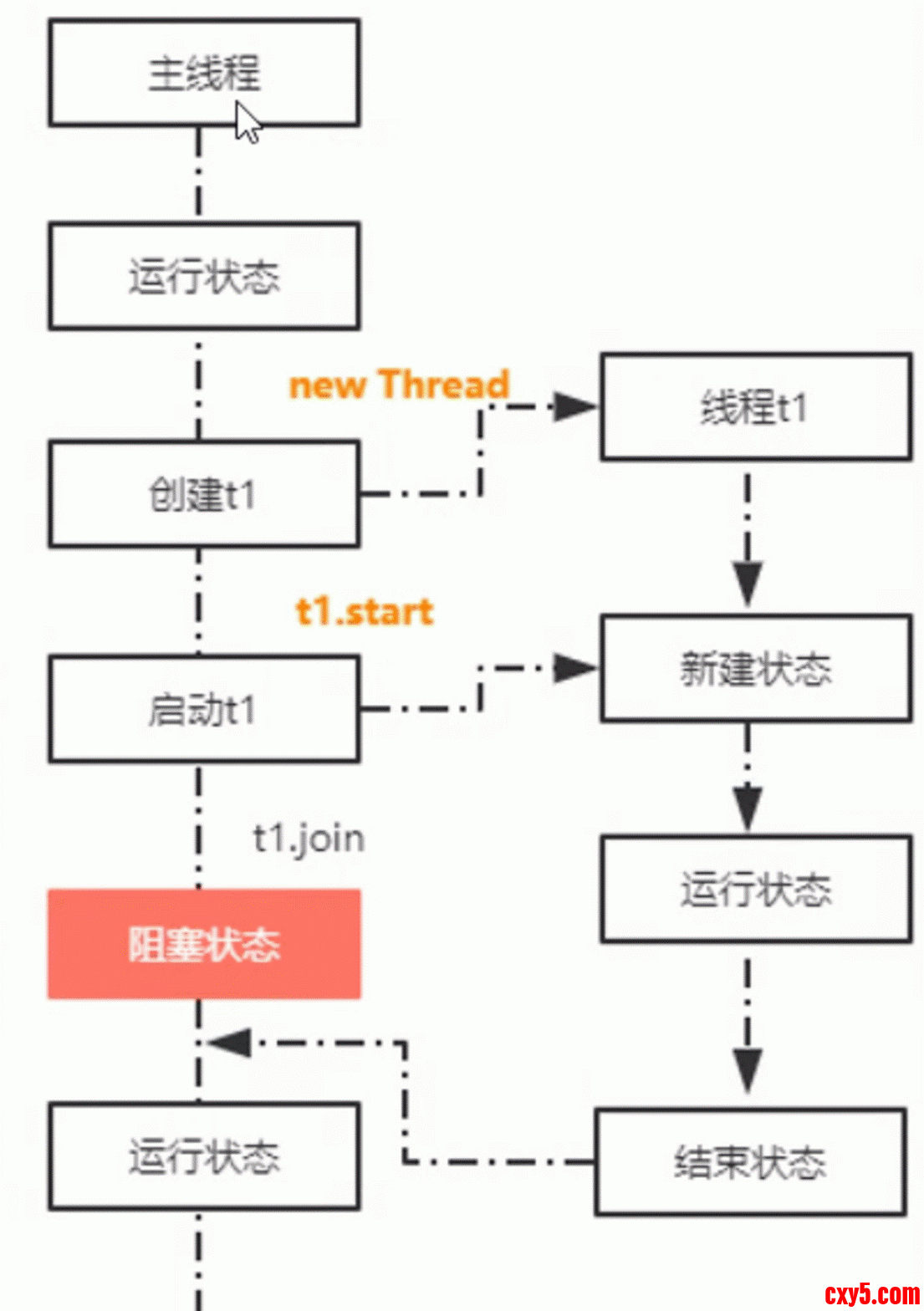
在线程中调用另一个线程的 join() 方法,会将当前线程挂起,而不是忙等待,直到目标线程结束。
对于以下代码,虽然 b 线程先启动,但是因为在 b 线程中调用了 a 线程的 join() 方法,b 线程会等待 a 线程结束才继续执行,因此最后能够保证 a 线程的输出先于 b 线程的输出。- public class JoinExample {
- private class A extends Thread {
- @Override
- public void run() {
- System.out.println("A");
- }
- }
- private class B extends Thread {
- private A a;
- B(A a) {
- this.a = a;
- }
- @Override
- public void run() {
- try {
- a.join();
- } catch (InterruptedException e) {
- e.printStackTrace();
- }
- System.out.println("B");
- }
- }
- public void test() {
- A a = new A();
- B b = new B(a);
- b.start();
- a.start();
- }
- }
- public static void main(String[] args) {
- JoinExample example = new JoinExample();
- example.test();
- }
- public final synchronized void join(long millis)
- throws InterruptedException {
- long base = System.currentTimeMillis();
- long now = 0;
- if (millis < 0) {
- throw new IllegalArgumentException("timeout value is negative");
- }
- if (millis == 0) {
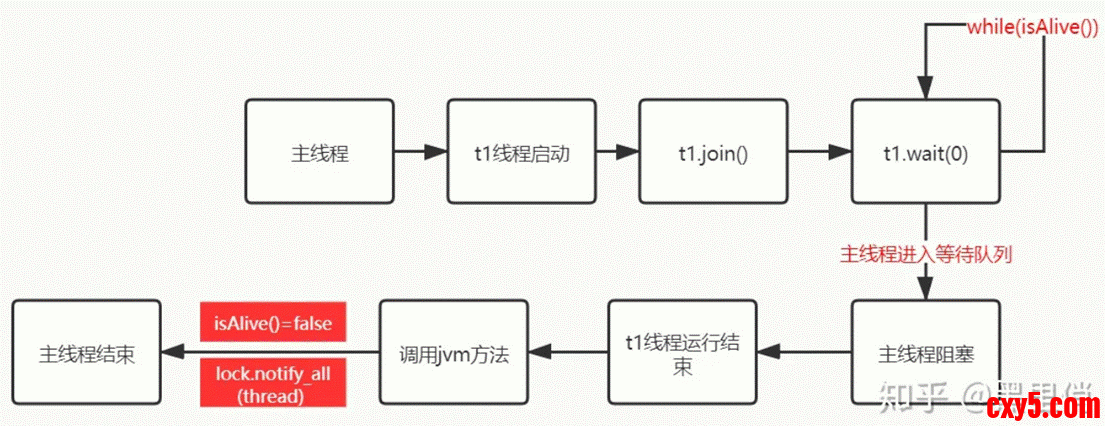
- while (isAlive()) {//检查线程是否存活,只要线程还没结束,主线程就会一直阻塞
- wait(0);//这里的wait调用的本地方法。
- }
- } else {//等待一段指定的时间
- while (isAlive()) {
- long delay = millis - now;
- if (delay <= 0) {
- break;
- }
- wait(delay);
- now = System.currentTimeMillis() - base;
- }
- }
- }
所以简化一下,流程即:
wait() notify() notifyAll()
调用 wait() 使得线程等待某个条件满足,线程在等待时会被挂起,当其他线程的运行使得这个条件满足时,其它线程会调用 notify() 或者 notifyAll() 来唤醒挂起的线程。
它们都属于 Object 的一部分,而不属于 Thread。
只能用在同步方法synchronized或者同步控制块中使用,否则会在运行时抛出 IllegalMonitorStateExeception。
使用 wait() 挂起期间,线程会释放锁。这是因为,如果没有释放锁,那么其它线程就无法进入对象的同步方法或者同步控制块中,那么就无法执行 notify() 或者 notifyAll() 来唤醒挂起的线程,造成死锁。- public final void join(long millis){
- synchronized(this){
- //代码块
- }
- }
- //t1.join()前的代码
- synchronized (t1) {
- // 调用者线程进入 t1 的 waitSet 等待, 直到 t1 运行结束
- while (t1.isAlive()) {
- t1.wait(0);
- }
- }
- //t1.join()后的代码
- static void ensure_join(JavaThread* thread) {
- Handle threadObj(thread, thread->threadObj());
- ObjectLocker lock(threadObj, thread);
- hread->clear_pending_exception();
- //这一句中的TERMINATED表示这是线程结束以后运行的
- java_lang_Thread::set_thread_status(threadObj(), java_lang_Thread::TERMINATED);
- //这里会清楚native线程,isAlive()方法会返回false
- java_lang_Thread::set_thread(threadObj(), NULL);
- //thread就是当前线程,调用这个方法唤醒等待的线程。
- lock.notify_all(thread);
- hread->clear_pending_exception();
- }
- wait() 是 Object 的方法,而 sleep() 是 Thread 的静态方法;
- wait() 会释放锁,sleep() 不会。
await() signal() signalAll()
java.util.concurrent 类库中提供了 Condition 类来实现线程之间的协调,可以在 Condition 上调用 await() 方法使线程等待,其它线程调用 signal() 或 signalAll() 方法唤醒等待的线程。相比于 wait() 这种等待方式,await() 可以指定等待的条件,因此更加灵活。
使用 Lock 来获取一个 Condition 对象。- public class WaitNotifyExample {
- public synchronized void before() {
- System.out.println("before");
- notifyAll();
- }
- public synchronized void after() {
- try {
- wait();
- } catch (InterruptedException e) {
- e.printStackTrace();
- }
- System.out.println("after");
- }
- }
- public static void main(String[] args) {
- ExecutorService executorService = Executors.newCachedThreadPool();
- WaitNotifyExample example = new WaitNotifyExample();
- executorService.execute(() -> example.after());
- executorService.execute(() -> example.before());
- }
- static void ensure_join(JavaThread* thread) {
- Handle threadObj(thread, thread->threadObj());
- ObjectLocker lock(threadObj, thread);
- hread->clear_pending_exception();
- //这一句中的TERMINATED表示这是线程结束以后运行的
- java_lang_Thread::set_thread_status(threadObj(), java_lang_Thread::TERMINATED);
- //这里会清楚native线程,isAlive()方法会返回false
- java_lang_Thread::set_thread(threadObj(), NULL);
- //thread就是当前线程,调用这个方法唤醒等待的线程。
- lock.notify_all(thread);
- hread->clear_pending_exception();
- }
Runnable中异常如何被吞掉
Runnable 接口的 run() 方法不允许抛出任何被检查的异常(checked exceptions),只能处理或抛出运行时异常(unchecked exceptions)。当在 run() 方法内发生异常时,如果没有显式地捕获和处理这些异常,它们通常会在执行该 Runnable 的线程中被“吞掉”,即异常会导致线程终止,但不会影响其他线程的执行。- public class AwaitSignalExample {
- private Lock lock = new ReentrantLock();
- private Condition condition = lock.newCondition();
- public void before() {
- lock.lock();
- try {
- System.out.println("before");
- condition.signalAll();
- } finally {
- lock.unlock();
- }
- }
- public void after() {
- lock.lock();
- try {
- condition.await();
- System.out.println("after");
- } catch (InterruptedException e) {
- e.printStackTrace();
- } finally {
- lock.unlock();
- }
- }
- }
- 在run方法中显示的捕获异常
- public static void main(String[] args) {
- ExecutorService executorService = Executors.newCachedThreadPool();
- AwaitSignalExample example = new AwaitSignalExample();
- executorService.execute(() -> example.after());
- executorService.execute(() -> example.before());
- }
- 为创建的线程设置一个UncaughtExceptionHandler
- 使用Callable代替Runnable,Callable的call方法允许抛出异常,然后可以通过提交给ExecutorService返回的Future来捕获和处理这些异常
- public void uncaughtException(Thread t, Throwable e) {
- if (parent != null) {
- parent.uncaughtException(t, e);
- } else {
- Thread.UncaughtExceptionHandler ueh =
- Thread.getDefaultUncaughtExceptionHandler();
- if (ueh != null) {
- ueh.uncaughtException(t, e);
- } else if (!(e instanceof ThreadDeath)) {
- System.err.print("Exception in thread ""
- + t.getName() + "" ");
- e.printStackTrace(System.err);
- }
- }
- }
Callable中异常如何被吞掉
- public void run() {
- try {
- // 可能抛出异常的代码
- } catch (Exception e) {
- // 记录日志或处理异常
- throw new RuntimeException(e);
- }
- }
- Thread t = new Thread(() -> {
- int i = 1 / 0;
- }, "t1");
- t.setUncaughtExceptionHandler(new Thread.UncaughtExceptionHandler() {
- @Override
- public void uncaughtException(Thread t, Throwable e) {
- logger.error('---', e);
- }
- });
- ExecutorService executor = Executors.newFixedThreadPool(1);
- Future<?> future = executor.submit(() -> {
- // 可能抛出异常的代码
- });
- try {
- future.get(); // 这里会捕获到Callable中的异常
- } catch (ExecutionException e) {
- Throwable cause = e.getCause(); // 获取原始异常
- }
- class MyCallable implements Callable<String> {
- @Override
- public String call() throws Exception {
- System.out.println("===> 开始执行callable");
- int i = 1 / 0; //异常的地方
- return "callable的结果";
- }
- }
- public class CallableAndRunnableTest {
- public static void main(String[] args) {
- System.out.println(" =========> main start ");
- ThreadPoolExecutor threadPoolExecutor = new ThreadPoolExecutor(3, 5, 1, TimeUnit.SECONDS, new ArrayBlockingQueue<>(100));
- Future<String> submit = threadPoolExecutor.submit(new MyCallable());
- try {
- TimeUnit.SECONDS.sleep(2);
- } catch (InterruptedException e) {
- e.printStackTrace();
- }
- System.out.println(" =========> main end ");
- }
- }
- =========> main start
- ===> 开始执行callable
- =========> main end
接着再看下future的get方法- public <T> Future<T> submit(Callable<T> task) {
- if (task == null) throw new NullPointerException();
- RunnableFuture<T> ftask = newTaskFor(task);
- execute(ftask);
- return ftask;
- }
- protected <T> RunnableFuture<T> newTaskFor(Callable<T> callable) {
- return new FutureTask<T>(callable);
- }
来源:程序园用户自行投稿发布,如果侵权,请联系站长删除
免责声明:如果侵犯了您的权益,请联系站长,我们会及时删除侵权内容,谢谢合作! |


 提升卡
提升卡 置顶卡
置顶卡 沉默卡
沉默卡 喧嚣卡
喧嚣卡 变色卡
变色卡 千斤顶
千斤顶 照妖镜
照妖镜